Why the Lagree Shake Hits Your Legs but Never Your Arms
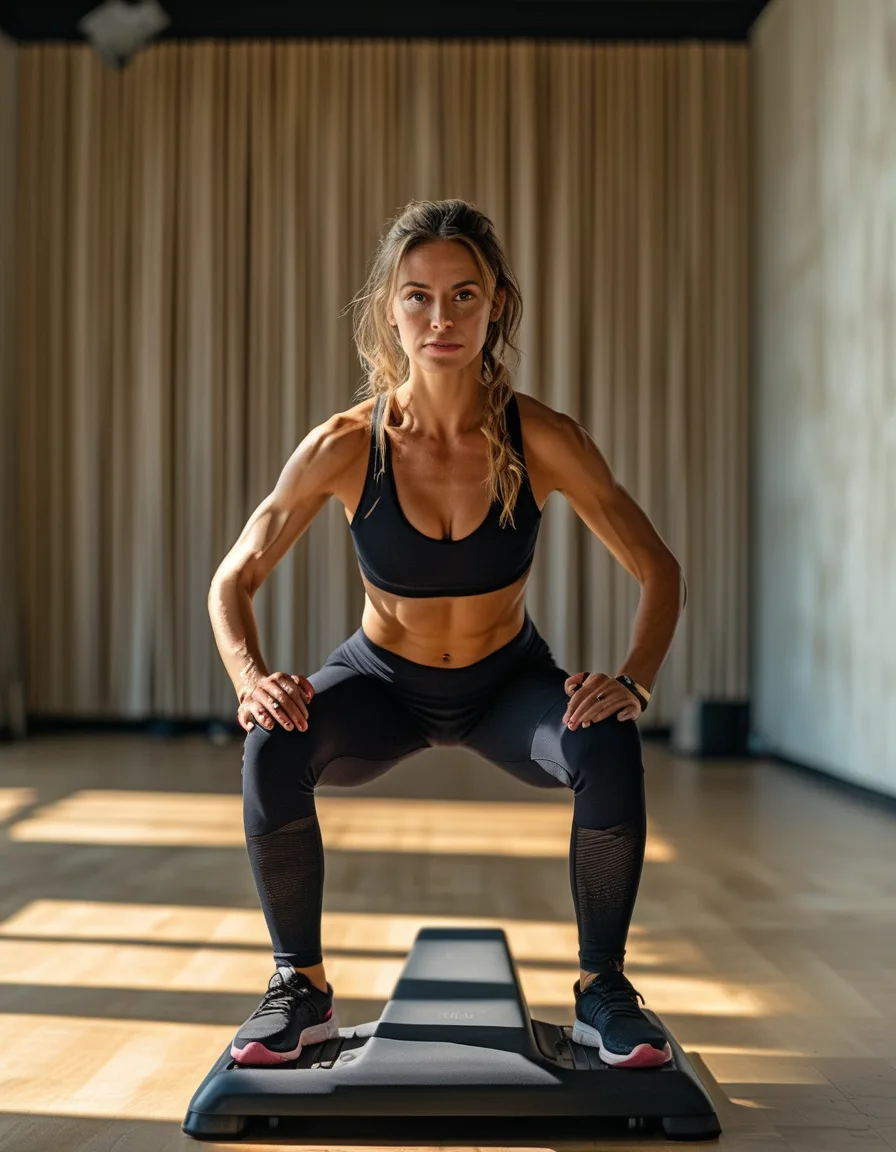
The trademark Lagree shake shows up reliably in the legs for most people but rarely, if ever, in the arms, and that’s not a sign of uneven effort — it comes down to a real difference in muscle fiber composition and how long each muscle group holds tension during a typical class.
Why the Shake Depends on Fiber Type and Time Under Tension
The mechanism: the large-postural-leg-muscles-hold-isometric-tension-far-longer-per-move-than-smaller-arm-muscles-do-which-is-what-triggers-the-shake (the large postural leg muscles holding isometric tension for far longer per move than the smaller arm muscles typically do in a standard sequence, and that sustained time under tension being the actual trigger for the visible neuromuscular shake, per the lagree-method-guide logic — the large-postural-leg-muscles-holding-isometric-tension-for-far-longer-per-move-than-smaller-arm-muscles-and-that-sustained-time-under-tension-being-the-actual-trigger-for-the-shake), and the reframe (the shake reflecting a real fiber-type and duration difference, not a measure of whether you’re trying hard enough anywhere else).

Why This Doesn’t Mean Your Arms Are Working Less
The correction: the arms-fatigue-through-a-different-signal-of-burning-and-early-failure-rather-than-visible-shaking (the arm muscles reaching genuine fatigue through a burning sensation and earlier failure point rather than the visible shake, a different fatigue signal entirely rather than a weaker one, per the lagree-first-class-survival logic — the arm-muscles-reaching-genuine-fatigue-through-a-burning-sensation-and-earlier-failure-point-rather-than-the-visible-shake-a-different-signal-not-a-weaker-one), and the frame (no shake in the arms not meaning no real work happened there).
How to Use the Pattern to Gauge Effort Accurately
The practical read: the track-burning-and-failure-point-in-the-arms-and-shake-onset-time-in-the-legs-as-two-separate-effort-gauges (tracking burning sensation and time-to-failure in the arms, and shake onset time in the legs, as two genuinely separate effort gauges rather than expecting one universal signal, per the lagree-results-what-to-expect-guide logic — the tracking-burning-sensation-and-time-to-failure-in-arms-and-shake-onset-time-in-legs-as-two-genuinely-separate-effort-gauges-rather-than-expecting-one-universal-signal), and the frame (reading effort correctly means using the right signal for the right muscle group, not looking for the same shake everywhere).
The Lagree shake shows up reliably in the legs because large postural leg muscles hold isometric tension far longer per move than the smaller arm muscles do in a typical sequence, and that sustained time under tension is the actual trigger for the shake, not effort level. Arms reach genuine fatigue through a burning sensation and an earlier failure point instead, a different fatigue signal rather than a weaker one, so tracking burning and failure time in the arms alongside shake onset in the legs gives a far more accurate read on effort than expecting the same visible shake everywhere.
See It in Motion
Seen here: Bootcut Capri Yoga Pants with Pockets — shop similar styles on bubblelime.com
Keep Reading
This article is for general informational and styling purposes only. Fit, sizing, and product availability may vary.