Why Lagree Feels Brutal One Week and Manageable the Next
Quick Answer: Spring tension settings, class pacing by the instructor, your sleep and hydration going in, and where you are in your menstrual cycle (for those who cycle) are the biggest factors behind why the same Lagree class can feel completely different week to week.
It’s not in your head, and it’s not a sign you’re getting weaker. A handful of variables stack on top of each other from class to class, and most of them have nothing to do with your actual fitness level changing.
Does spring tension really change that much class to class?
Yes, more than most people realize. Instructors adjust spring settings based on the day’s programming, and a slightly heavier spring setting on slow, controlled moves can dramatically increase time-under-tension even if the exercise looks identical to last week’s class.
How much does the instructor’s pacing actually matter?
A lot. The same exercise held for 30 seconds versus 45 seconds, or with a 2-second pause at the hardest point added in, changes the difficulty substantially without changing the movement itself. Different instructors program noticeably different pacing even on paper-identical class formats.
Can sleep and hydration really make that much difference?
Yes — Lagree’s high time-under-tension format is unusually sensitive to glycogen and hydration status compared to more explosive training styles, because there’s no rest between reps to recover mid-set. A poor night’s sleep or under-hydration going in can make an otherwise normal class feel disproportionately harder.

Does the menstrual cycle actually affect Lagree difficulty?
For those who cycle, many report classes feeling harder in the luteal phase (roughly the week or so before a period), which some research links to shifts in core body temperature and perceived exertion. It’s not universal, but it’s a common enough pattern to be worth tracking if intensity swings feel cyclical.
Myth vs Fact: Lagree Difficulty Swings
Myth: If it feels harder, you’re out of shape compared to last week. Fact: Spring tension, pacing, sleep, and hydration all shift the difficulty independent of your actual fitness level — a harder-feeling class doesn’t mean you’ve lost progress.
Myth: Every instructor runs the exact same class ‘style.’ Fact: Pacing and spring choices vary meaningfully by instructor, even within the same studio and class name.
FAQ: Lagree Intensity Variation, Answered
Should I ask the instructor about spring settings if a class feels unusually hard?
Yes — instructors are generally happy to explain or adjust tension, and knowing the settings changed (rather than assuming you got weaker) reframes a hard class correctly.
Is it normal for the same exercise to feel different on different machines?
Somewhat — megaformers can have slightly different spring calibration between machines even within the same studio, so a harder feel on a different machine isn’t unusual.
How do I know if a hard class is normal variation versus a sign of overtraining?
Normal variation is class-to-class and resolves with a good night’s sleep. If nearly every class feels harder over 2+ weeks along with poor recovery, that’s a signal to scale back frequency rather than push through.
TL;DR:
- Spring tension and instructor pacing change real difficulty week to week
- Sleep and hydration matter more in Lagree’s format than in explosive-style training
- Cycle phase can shift perceived exertion for those who track it
- A harder class doesn’t mean you’re regressing — it usually means a variable changed
Track the pattern over a few weeks before assuming anything about your fitness has actually changed.
See It in Motion
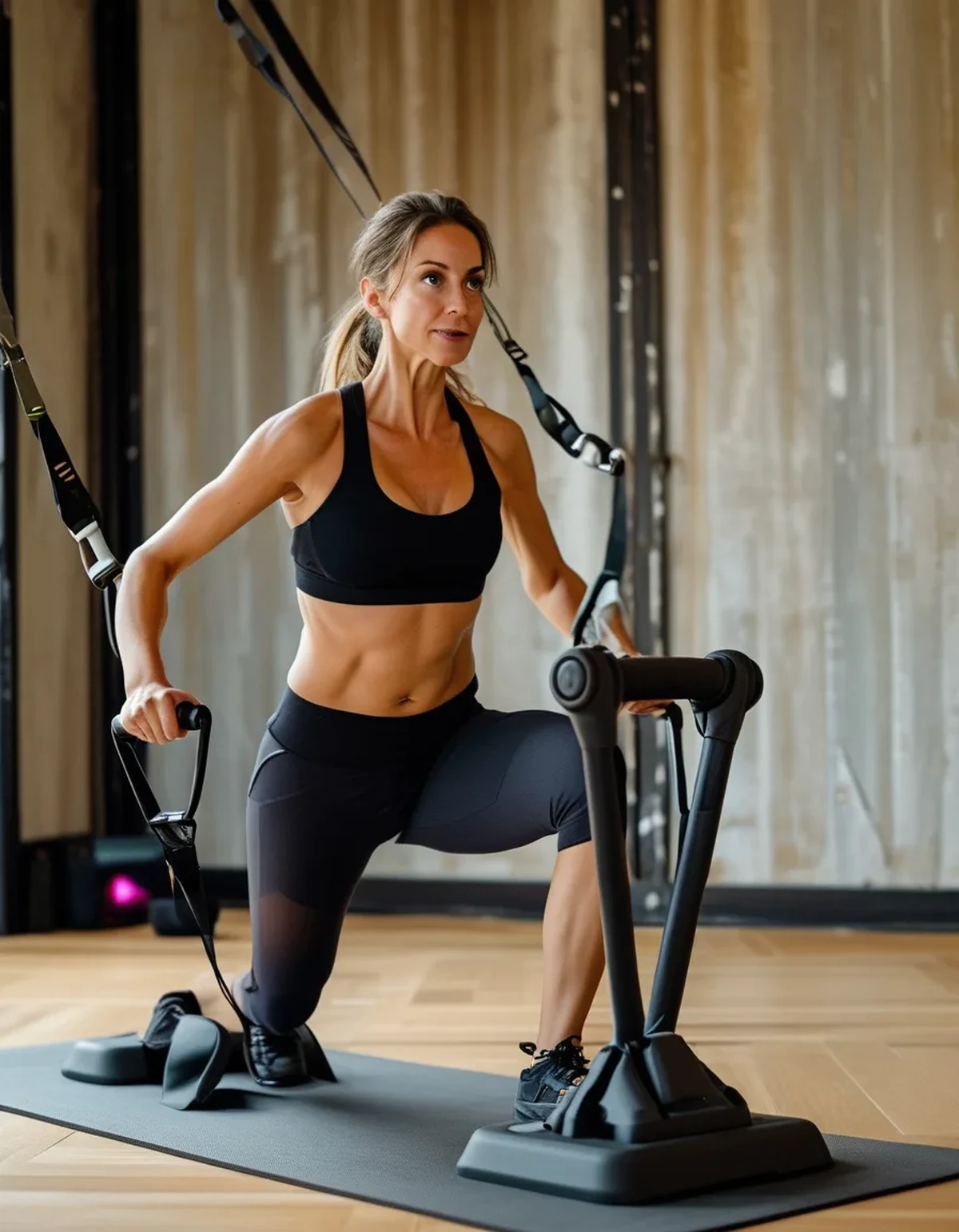
Seen here: High Waist Bootcut Yoga Pants — shop it on bubblelime.com
Keep Reading
This article is for general informational and styling purposes only. Fit, sizing, and product availability may vary.