Lagree and Pilates Aren't Just Different Brand Names for the Same Workout
Quick Answer: Lagree and Pilates aren’t the same workout with different branding. Pilates reformers use springs for controlled resistance across a broad rehab-influenced repertoire; Lagree machines are built for continuous, slow, high-intensity time-under-tension. Similar-looking hardware, genuinely different training goals — pick based on which goal is yours.
Both have a sliding carriage. Both have springs and straps and handles. Both involve lying down and being surprised by how hard it gets.
Which is exactly why people assume Lagree is just Pilates with a trademark. Watch a full class of each and the difference stops being subtle.
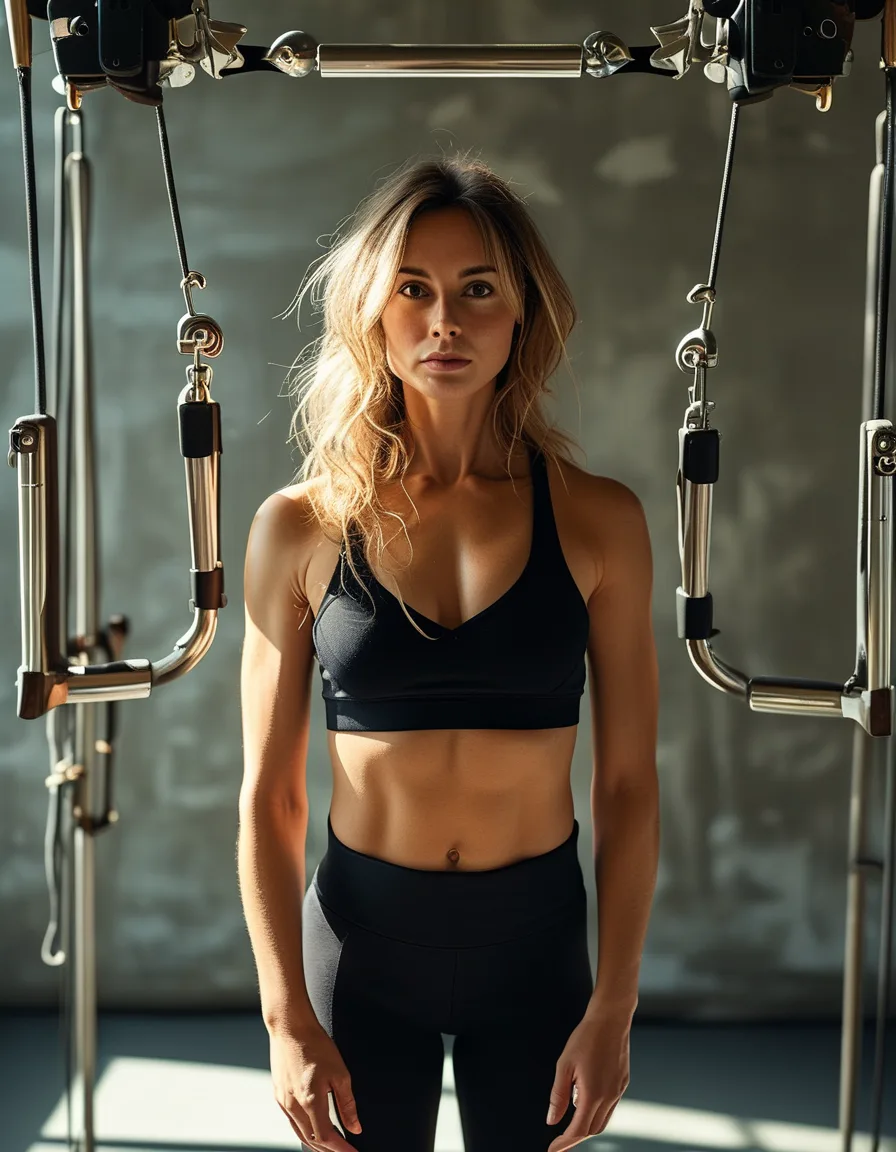
What’s the Actual Difference Between Lagree and Pilates?
The training goal, and the equipment built to serve it.
Classical Pilates reformer work grew out of a rehabilitation and movement-quality tradition. The emphasis is on controlled, precise movement through a large repertoire of exercises, with attention to alignment, breath, and core control. Spring resistance provides load, but the organizing principle is quality of movement.
Lagree was built around a different premise: sustained muscular tension with minimal rest. Movements are performed slowly and continuously, deliberately keeping muscles under load through the entire set rather than returning to a neutral rest position between reps. The organizing principle is intensity and time under tension.
Both are legitimate. They just answer different questions. Asking which is “better” is like asking whether a bike or a rowing machine is better — it depends entirely on what you’re trying to do.
How Do the Machines Actually Differ?
The hardware follows the goal, which is why they look similar and behave differently.
Spring configuration and resistance behavior. A Pilates reformer’s springs are set up for a wide range of exercises across varying resistance levels, supporting a large repertoire. Lagree machines are configured to keep tension continuous through the movement range, which is what enables sustained loading.
Carriage and platform design. Lagree machines typically include additional platforms and handle positions specifically supporting the slow, sustained, often unilateral work the method is built around. The layout is designed for a different set of movements, not the same ones.
Movement tempo is built into the design. A reformer supports both flowing sequences and slow controlled work. Lagree equipment is designed around slow tempo as the default rather than as one option.
Class structure follows. A reformer class typically moves through a varied repertoire with transitions and setup changes. A Lagree class typically holds a smaller number of movements for extended periods with minimal rest — which is why it feels considerably more like strength training under continuous tension.
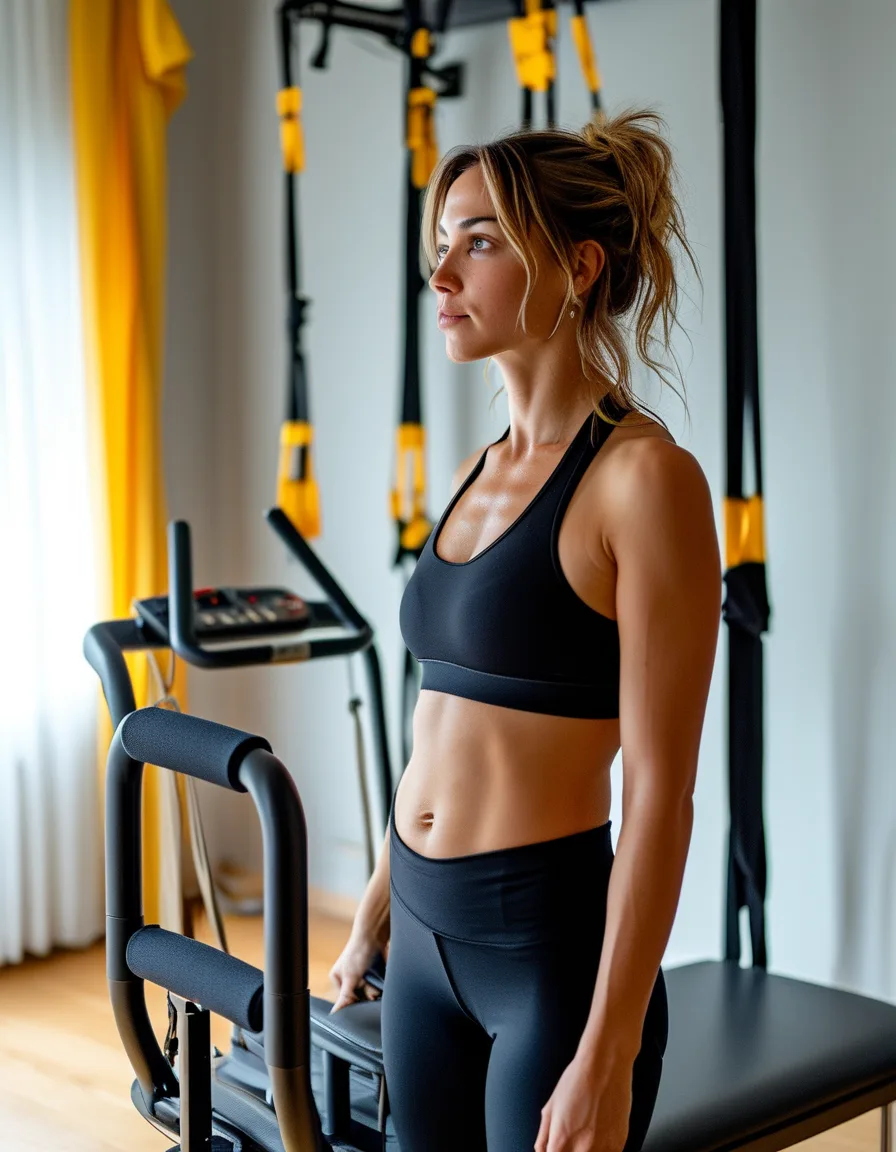
Myth vs. Fact
Myth: Lagree is just a trademarked version of reformer Pilates. Fact: It grew from Pilates but was built around a different training premise — sustained tension and intensity rather than repertoire and movement quality.
Myth: Pilates is easy and Lagree is hard. Fact: Advanced reformer work is genuinely demanding. Lagree is more consistently intense at the beginner level, which is a different claim.
Myth: If you’ve done one, the other will feel familiar. Fact: The machine will look familiar. The tempo and rest structure will not.
Myth: They train the same muscles the same way. Fact: Continuous tension with minimal rest produces a different stimulus than controlled work with recovery between exercises, even in the same muscle groups.
Which One Should You Choose?
Match it to your actual goal rather than to which studio is closer.
Choose Pilates if you want movement quality, alignment work, and core control; you’re returning from injury or managing a limitation; you want a large varied repertoire; or you want something scalable that you can do frequently without heavy recovery cost. The rehabilitation-informed lineage genuinely matters here.
Choose Lagree if you want high-intensity, muscular-endurance-focused training; you like the feeling of sustained burn and want strength-style work in a class format; you have limited sessions per week and want each to be demanding; and you don’t currently need the rehab-oriented scaffolding.
Do both if it fits your schedule — a common pattern is Lagree for the demanding sessions and Pilates for movement quality and recovery-day work. They complement each other well precisely because they’re different.
One practical note on trying either: both are considerably harder than they look in the first class, and both are slippery. Grippy socks are usually required. Fitted kit matters more here than in most classes, since you’ll spend real time inverted, on your side, and in positions where anything loose migrates — squat-proof high waist leggings with a waistband that stays put save you from adjusting mid-plank.
When to check with a professional: if you’re pregnant, post-surgical, or managing a back or joint condition, tell the instructor before class and check with your doctor or physical therapist first. Pilates is often the more adaptable of the two for those situations, but that’s a conversation to have with someone who knows your case. This is general information, not medical advice.
FAQ
Is Lagree harder than Pilates?
For a beginner, usually yes — the continuous tension and minimal rest make it consistently intense. Advanced reformer work can be extremely demanding too, so it’s less a hierarchy than a difference in how the difficulty is distributed.
Can I do Lagree if I’ve never done Pilates?
Yes. It isn’t a progression from Pilates, and beginners start with Lagree directly all the time. Tell the instructor it’s your first class so they can set your spring load appropriately.
Which is better for building strength?
Lagree’s continuous-tension structure is more directly oriented toward muscular endurance and strength-style work. Pilates builds real strength too, with more emphasis on control and movement quality alongside it.
TL;DR
- Different training goals, not different branding. Pilates emphasizes controlled quality across a broad repertoire; Lagree emphasizes sustained time under tension.
- The machines differ in spring behavior, platform design, and the tempo they’re built around.
- Class structure differs too: varied repertoire with transitions vs. fewer movements held longer with minimal rest.
- Choose by goal — rehab and movement quality vs. high-intensity endurance work. Doing both works well.
- Check with a doctor or PT first if pregnant, post-surgical, or managing an injury.
See It in Motion
Seen here: Super High Waist Embossed Yoga Leggings with Inner Pocket — shop it on bubblelime.com
Keep Reading
This article is for general informational and styling purposes only. Fit, sizing, and product availability may vary.