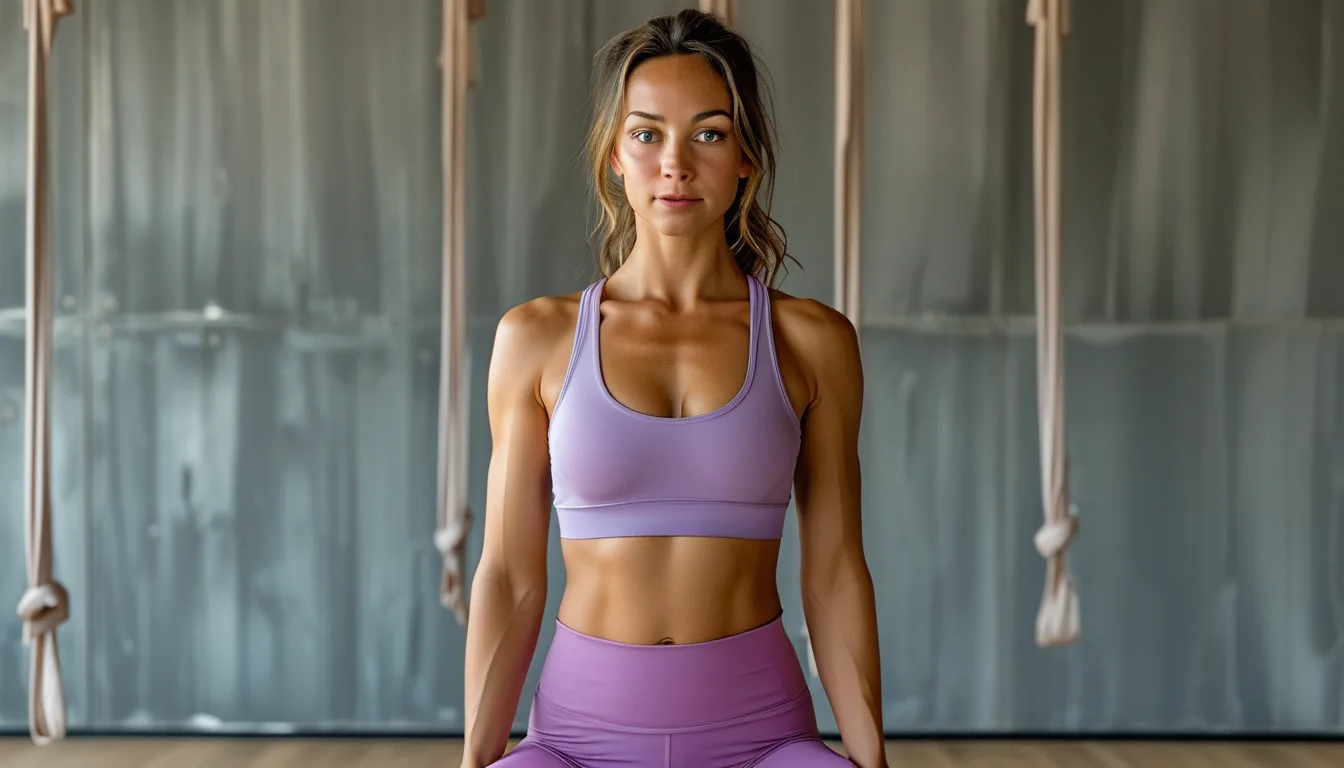
Lagree Class Etiquette for First-Timers: What to Actually Know Before Walking In
Quick Answer: Arriving 10-15 minutes early for machine setup help, wearing grippy socks (required at nearly every studio), avoiding comparing spring resistance or shake with the person on the next machine, and communicating with the instructor about injuries before class starts are the core etiquette basics that make a first Lagree class go smoothly instead of stressfully.
The workout itself gets all the attention online. The unspoken studio etiquette around it is what actually determines whether a first class feels smooth or overwhelming.
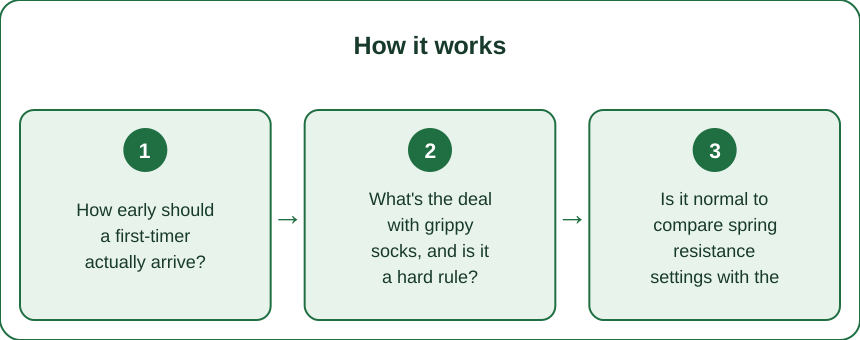
How early should a first-timer actually arrive?
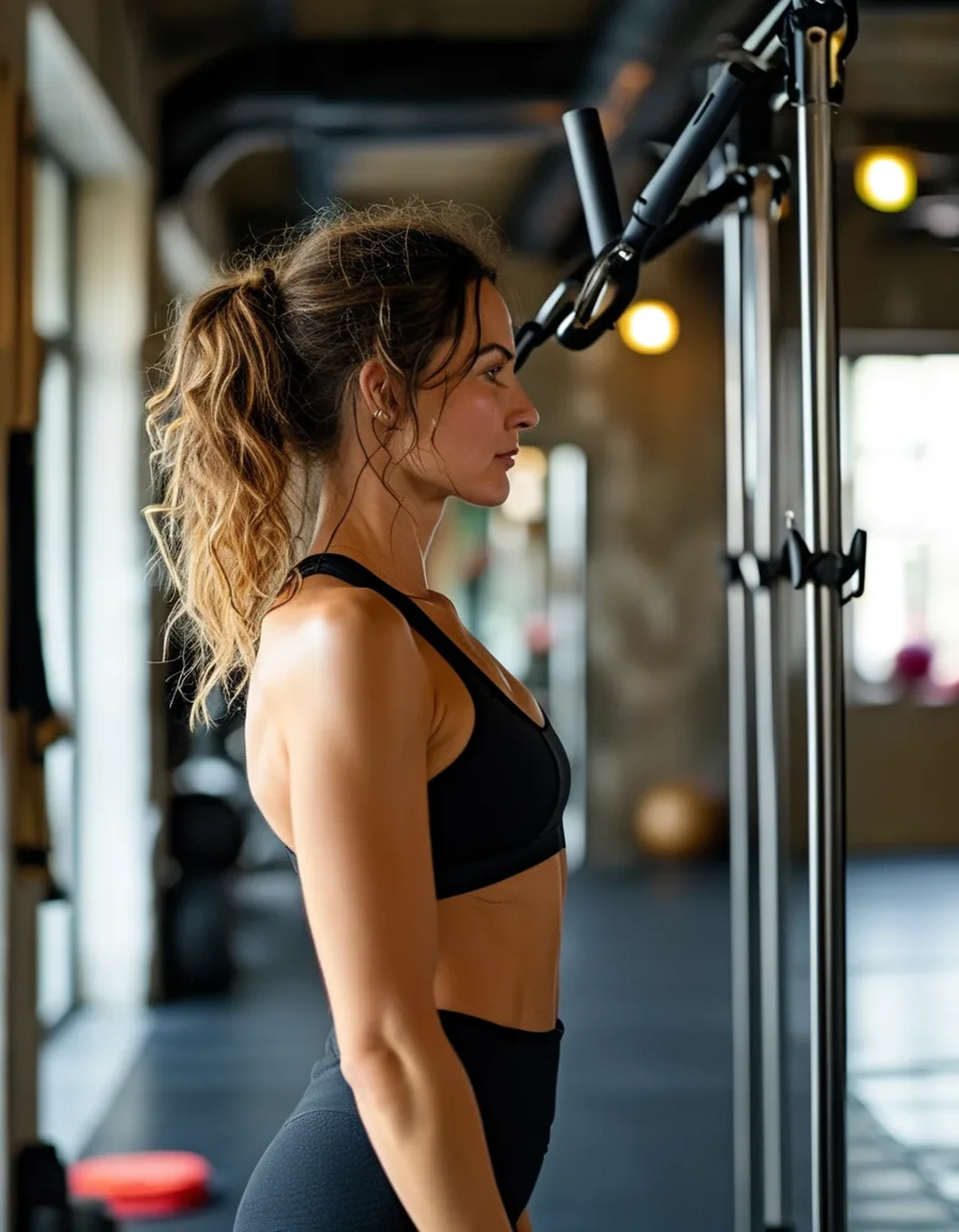
10-15 minutes before class start is a reasonable target, since the machine (often called a Megaformer or similar) needs setup specific to height and the exercise being performed, and staff or instructors are almost always willing to walk a first-timer through it if there’s time before class starts. Arriving right at start time often means fumbling through setup during the warm-up, missing instruction in the process.
What’s the deal with grippy socks, and is it a hard rule?
At the vast majority of Lagree studios, grippy socks are required, not optional, because the moving carriage platform is genuinely more dangerous without them — regular socks or bare feet can slip on the platform during dynamic movements. Most studios sell them at the front desk for first-timers who don’t own a pair yet, so it’s rarely a real obstacle, just something to expect.
Is it normal to compare spring resistance settings with the person next to you?
It’s common to notice, but actively comparing settings out loud mid-class is generally considered poor etiquette, since spring resistance is highly individual — body position, strength, and even machine model can make the same numerical setting feel completely different between two people. What looks like a lighter setting on someone else often isn’t actually easier.
What Nobody Tells You About First Lagree Classes
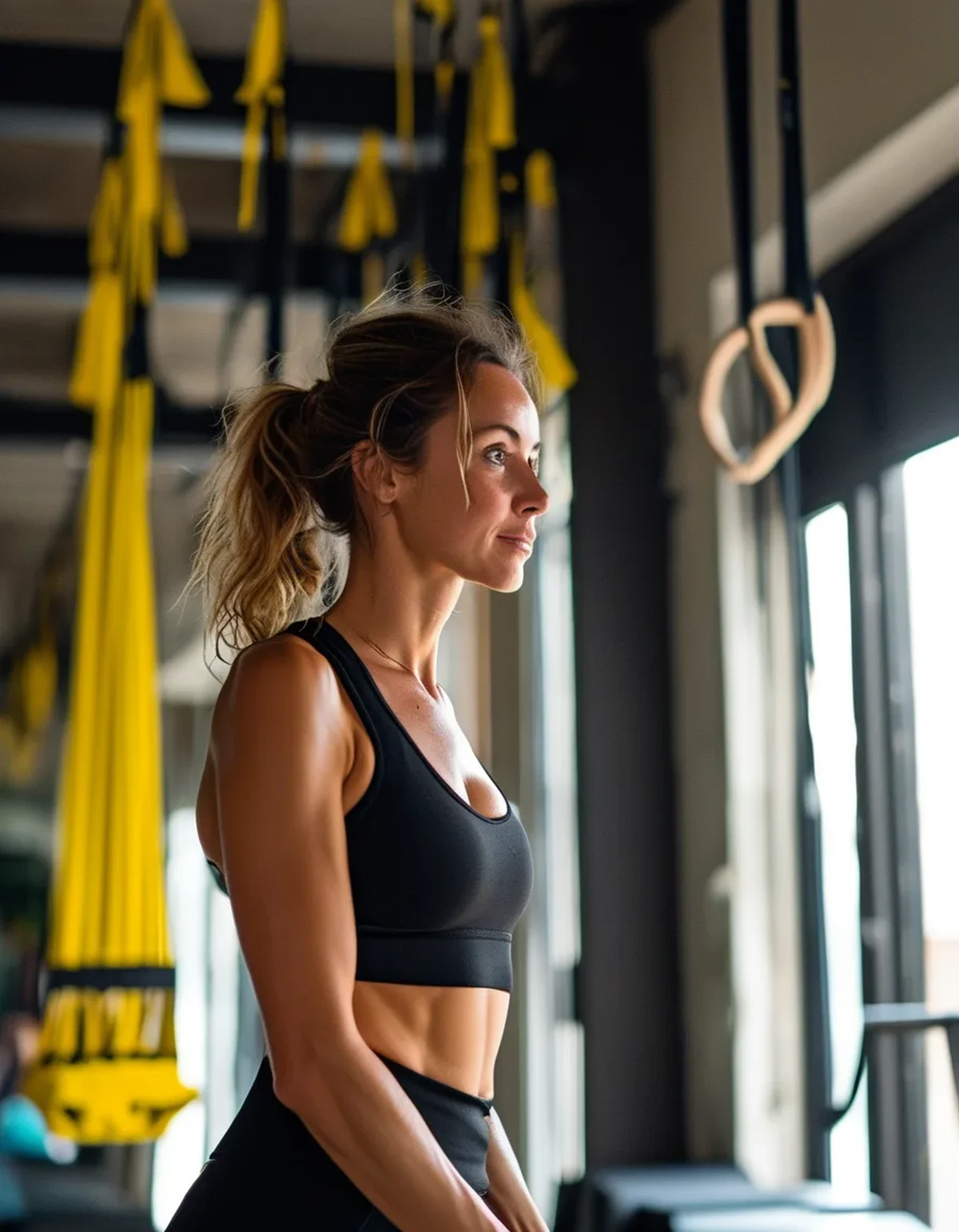
The shake is not a sign of doing something wrong — it’s the intended physiological response, and first-timers who don’t know this sometimes tense up trying to stop it, which paradoxically makes the exercise harder and less effective. Instructors expect to see it in every single class, from beginners and long-time regulars alike; it’s not a red flag, and it tends to become less of a surprising or alarming sensation within just a couple of classes once it’s understood as a normal part of the format rather than a warning sign.
Should injuries or limitations be mentioned before class starts?
Yes, and instructors generally expect it — mentioning any relevant injury or limitation before class begins, not mid-exercise, lets the instructor suggest modifications proactively rather than reactively. This is standard practice in most studio fitness formats, not a Lagree-specific quirk, but it matters especially here given how position-dependent the machine work is.
A quick, specific note (“my left knee is sensitive to deep bends”) works better than a vague general disclaimer, since it gives the instructor something concrete to actually plan around during that particular class rather than just a general caution to keep in the back of their mind.
Is it normal to feel completely lost during a first class, and what actually helps?
Yes — Lagree’s exercise names, machine adjustments, and pacing are genuinely unfamiliar territory even for people who are experienced in other fitness formats, and most studios expect a first-timer to spend a chunk of the class just figuring out the machine itself rather than nailing every movement. Positioning near the front, within clear sightline of the instructor, makes it far easier to visually copy form in real time rather than relying purely on verbal cues, which can be easy to miss over music and the sound of the machine’s springs.
Many studios also offer a short pre-class orientation specifically for first-timers, walking through basic machine mechanics and common exercise names before the group class starts — asking about this when booking is worth doing, since it meaningfully reduces the feeling of being lost once the actual class begins and the pace picks up.
FAQ: Lagree Class Etiquette for First-Timers, Answered
Is it okay to ask the instructor questions during class?
Quick clarifying questions about form or setup are welcome, though saving longer questions for right after class respects the flow for other students still working through the format.
What should a first-timer actually wear beyond grippy socks?
Fitted, non-baggy clothing is recommended since loose fabric can catch on the moving carriage — most people wear the same fitted leggings and top they’d wear to a Pilates or barre class.
Is it rude to modify or skip an exercise that feels like too much?
Not at all — modifying intensity or briefly resting is completely normal and expected, especially for a first class; instructors would rather see a modified, controlled movement than a forced, poorly executed full version.
TL;DR:
- Arriving 10-15 minutes early for machine setup avoids a stressful, rushed start
- Grippy socks are a genuine safety requirement at nearly every studio, not just a suggestion
- Comparing spring settings with others mid-class is common but not great etiquette
- The shake is expected and normal, not a sign that something’s being done wrong
Most of what feels intimidating about a first Lagree class is unwritten etiquette, not the actual difficulty of the workout — and now it’s written down.
See It in Motion
Keep Reading
This article is for general informational and styling purposes only. Fit, sizing, and product availability may vary.